
Building Facades That Command Attention
Architectural Wraps in Indianapolis for Commercial Properties Requiring Large-Scale Exterior Surface Graphics
High-visibility commercial corridors in Indianapolis demand fade-resistant materials that withstand year-round UV exposure without losing color saturation or peeling from building surfaces. Standout Wraps applies custom vinyl wraps to building facades, storefronts, and architectural surfaces, transforming blank walls or outdated exteriors into branded visual statements. Property owners facing heavily trafficked intersections or competing for visibility along commercial strips use architectural wraps to differentiate their buildings from neighboring structures and communicate brand identity before customers reach the entrance.
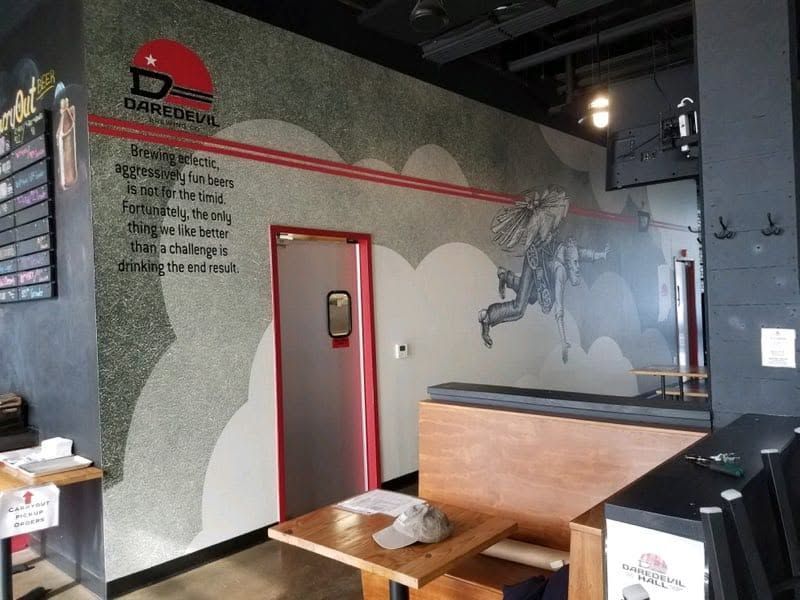
Architectural wrapping involves full-coverage vinyl application to exterior building surfaces through a design-to-installation workflow that includes precision measurement and seaming for large architectural footprints. Unlike vehicle wraps measured in square feet, building facades are measured in hundreds of square feet and require panel alignment across seams, edges, and architectural details like window frames, door surrounds, and corner transitions. Material selection prioritizes UV stability and weather resistance over the conformability needed for vehicle curves.
Schedule a site survey to assess building surface conditions and develop a wrap design scaled to your architectural dimensions.
Wrapping a building facade begins with measuring the structure to create scaled design files that account for windows, doors, utility penetrations, and architectural features that interrupt printable surface area. Panels are printed oversized to allow for trimming during installation, and seam placement is planned to align with building features where possible or fall in visually neutral zones where seams are less noticeable. Installation requires scaffolding or lift equipment to access upper floors, and vinyl application proceeds in sections to maintain alignment as panels are positioned and squeegeed onto the building surface.
Once installed, your building displays graphics visible from blocks away, creating landmark recognition that draws customers and differentiates your property from surrounding structures. The wrap transforms weathered siding, dated brick, or plain concrete into a branded surface that communicates business identity at a scale vehicle wraps cannot match. Indianapolis property owners notice that architectural wraps generate foot traffic from passersby who see the graphics from busy intersections and commercial thoroughfares.
Architectural wrapping includes design development, vinyl printing, and installation, but it does not include building repairs, surface preparation beyond cleaning, or structural modifications. If your building has cracked stucco, loose siding, or deteriorated mortar, those issues must be repaired before vinyl application to prevent adhesion failure and visible imperfections under the wrap.
Questions Before Starting Your Project
Property owners considering architectural wraps ask about durability, installation logistics, and maintenance requirements that differ from vehicle wrap projects.
How long does an architectural wrap last on a building exterior?
Wraps on vertical surfaces typically last five to seven years before UV exposure causes noticeable fading, longer than vehicle wraps due to reduced abrasion and less exposure to road debris.
What building surfaces can be wrapped with vinyl graphics?
Smooth metal panels, painted concrete, stucco, and composite siding can be wrapped; porous brick and textured surfaces require specialized materials or surface sealers to achieve proper adhesion.
How do you handle windows and doors when wrapping a building?
Vinyl is trimmed around window frames and door surrounds, or perforated window vinyl is applied to glass surfaces to maintain interior visibility while displaying exterior graphics.
Why do some architectural wraps fail along seams or edges?
Inadequate surface preparation, poor seam alignment, or insufficient edge sealing allows moisture intrusion that degrades adhesive; proper installation includes overlapped seams and sealed edges to prevent water penetration.
When should Indianapolis businesses choose architectural wraps instead of painting?
Wraps make sense when you need graphics that include photographic images or complex designs difficult to achieve with paint, when you want branding that can be updated without repainting, or when you need faster installation with less downtime than painting requires.
Standout Wraps manages architectural projects that transform Indianapolis commercial properties into branded landmarks, serving businesses that need visibility at a scale larger than vehicle wraps can provide. Contact us to discuss your building dimensions and review design concepts for your exterior surface.